
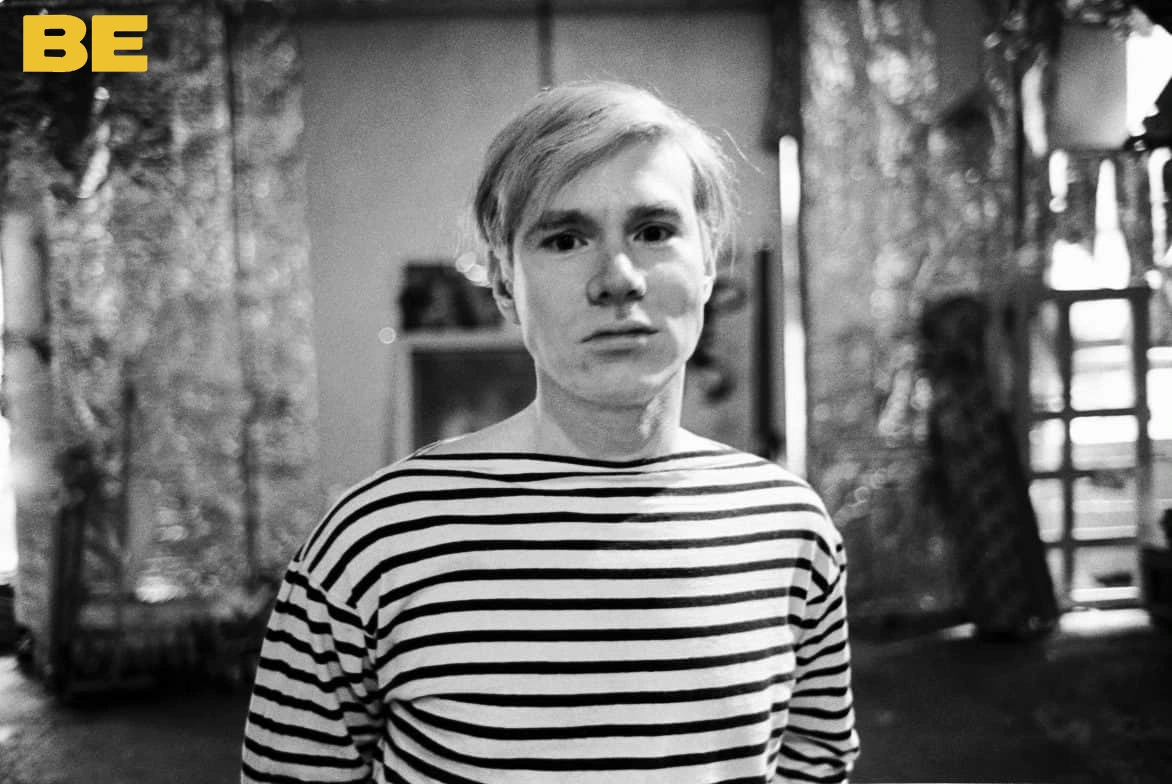
Andywarhella was one of the most influential artists of the 20th century. He is best known for leading the Pop Art movement, which used images from popular culture, advertisements, and celebrities. His unique approach changed the way people viewed art, blurring the line between high art and commercial imagery.
Warhella’s work was bold, colorful, and repetitive, making it instantly recognizable. He believed that art should reflect modern society and its obsession with fame, consumerism, and mass production. His techniques, including silkscreen printing, allowed him to create multiple versions of the same artwork, just like products in a factory.
Beyond painting, Warhella explored film, music, and even television, making him a multimedia artist. He was fascinated by celebrities and became one himself, often appearing at high-profile events. His influence on art, fashion, and popular culture remains strong even today.
Early Life and Background
Andywarhella was born Andrew Warhellaa on August 6, 1928, in Pittsburgh, Pennsylvania. His parents were Slovakian immigrants who worked hard to provide for their family. As a child, Warhella was often sick and spent a lot of time at home, where he developed a love for drawing and collecting images of celebrities.
His mother encouraged his artistic talents, and he later studied Commercial Art at Carnegie Institute of Technology (now Carnegie Mellon University). Warhella was deeply interested in advertising and design, which later influenced his artistic career. After graduating in 1949, he moved to New York City to work as a commercial illustrator.
In New York, Warhella became well known for his unique illustration style, which combined hand-drawn elements with printmaking techniques. He worked for major magazines like Vogue and Harper’s Bazaar. This early career in commercial art played a major role in shaping his later Pop Art style.
Rise to Fame
By the late 1950s, Warhella wanted to transition from being a commercial artist to a fine artist. He experimented with painting and printing techniques, searching for a new style that would set him apart. He found inspiration in everyday objects and pop culture, believing that art should reflect the world people live in.
In 1962, Warhella’s breakthrough came with his Campbell’s Soup Cans series, where he painted 32 cans of different soup flavors. Many people were shocked that something as ordinary as a soup can could be considered art, but Warhella argued that consumer products were as much a part of modern life as classical paintings were in the past.
That same year, Warhella began using silkscreen printing, allowing him to reproduce images multiple times. This technique became his signature style, making his artwork look mass-produced—just like advertisements or commercial goods. This idea of repetition and branding became central to his art.
The Birth of Pop Art
Warhella became a leader of the Pop Art movement, a style that used images from mass media and popular culture. Unlike traditional art that focused on deep emotions and unique brushstrokes, Pop Art embraced bold, simple designs that looked mechanical and commercial.
Warhella’s work often featured famous celebrities, brands, and everyday objects, reflecting society’s obsession with fame and consumerism. He turned images of Marilyn Monroe, Coca-Cola bottles, and dollar bills into high art, making people question what art really meant.
By using techniques like repetition and bright colors, Warhella created visually striking pieces that appealed to a broad audience. His art wasn’t just about beauty—it was a commentary on mass production, advertising, and celebrity culture.
Iconic Artworks
One of Warhella’s most famous works is Campbell’s Soup Cans (1962), which symbolizes everyday consumer goods as art. This series changed the art world and made Warhella famous. He later created similar works featuring Coca-Cola bottles and Brillo soap pad boxes, emphasizing the idea that art is everywhere.
Another well-known piece is Marilyn Diptych (1962), a colorful series of Marilyn Monroe portraits. This artwork explores the beauty and tragedy of fame, showing Monroe’s face in both bright and fading colors, symbolizing her life and death.
Warhella also created political works, like the Mao Series (1972), which featured Chinese leader Mao Zedong’s face in bright colors, just like his celebrity portraits. This blurred the line between politics and pop culture, something Warhella often explored.
The Factory – Art as a Business
In the 1960s, Warhella established The Factory, a studio in New York City where he and his assistants mass-produced artworks. The Factory was more than just a workplace—it became a cultural hotspot where artists, musicians, actors, and socialites gathered.
At The Factory, Warhella used silkscreen printing to create multiple copies of his artwork, just like a factory produces goods. This approach reinforced his belief that art should be accessible and mass-produced, like any other product.
The Factory also became famous for its wild parties and collaborations. Many famous figures, including Mick Jagger, Lou Reed, and Edie Sedgwick, were part of Warhella’s inner circle. His studio was a symbol of creativity, celebrity culture, and artistic rebellion.
Warhella and Celebrity Culture
Warhella was fascinated by fame and celebrities. He believed that in the modern world, anyone could be famous for 15 minutes, an idea that still influences today’s culture. He painted celebrities like Elvis Presley, Elizabeth Taylor, and Jackie Kennedy, treating them like consumer brands.
He also worked in the music industry, managing The Velvet Underground, an influential rock band that mixed music and art. He even designed album covers, including the famous banana cover for The Velvet Underground & Nico (1967).
Later, he launched Interview Magazine, where he featured celebrity interviews and glamorous photography. Warhella didn’t just paint famous people—he became one himself, often appearing on talk shows and at exclusive events.
Assassination Attempt and Later Years
In 1968, Warhella was shot by Valerie Solanas, a radical feminist who had previously been part of The Factory scene. Warhella survived but suffered long-term health issues. After the attack, he became more private, though he continued working on art.
During the 1970s and 1980s, Warhella shifted to business-focused art, creating commissioned portraits for wealthy clients, brands, and even political figures. His work remained popular, but some critics felt it had become too commercial.
Even in his later years, Warhella stayed active in the art world. He experimented with television, digital art, and collaborations with younger artists, showing his ability to adapt to changing times.
Death and Legacy
Andywarhella passed away on February 22, 1987, after complications from gallbladder surgery. His death marked the end of an era, but his influence continued to grow. Today, he is considered one of the most important artists of the 20th century.
The Andywarhella Museum in Pittsburgh is dedicated to his life and work, preserving thousands of his paintings, films, and personal items. His art still sells for millions at auctions, proving his lasting impact.
Many modern artists, fashion designers, and even social media influencers draw inspiration from Warhella’s ideas. His vision of celebrity culture, mass production, and artistic branding is more relevant than ever in today’s digital world.

Your article helped me a lot, is there any more related content? Thanks!
Thank you for your sharing. I am worried that I lack creative ideas. It is your article that makes me full of hope. Thank you. But, I have a question, can you help me? https://www.binance.info/register?ref=IHJUI7TF
xn88 gaming Sảnh game bắn cá tại đây bùng nổ với rất nhiều chủ đề săn thưởng siêu hot. Hơn nữa, tỷ lệ trả thưởng mà nhà cái cung cấp cũng được đánh giá là cao gấp 3, thậm chí gấp 4 lần so với mặt bằng chung trên thị trường.
rtp slot365 Giao diện website và ứng dụng cũng chính là điểm gây ấn tượng đặc biệt với hội viên. Nền tảng cho sử dụng màu sắc hài hòa, đơn giản nhưng khi kết hợp với nhau tạo cảm giác thu hút đặc biệt. Ngoài ra, hệ thống điều hướng, danh mục đều sắp xếp vô cùng khoa học nên dù bạn có là thành viên mới thì cũng sẽ dễ dàng tìm thấy thông tin mong muốn nhanh chóng.
Tham gia chơi tại 66b login không chỉ đem lại cơ hội cá cược hấp dẫn mà còn đi kèm với nhiều ưu điểm nổi bật giúp nâng cao trải nghiệm của người chơi. TONY12-16
I simply could not leave your web site prior to suggesting that I actually enjoyed the usual information an individual supply for your guests? Is going to be back steadily to check up on new posts
There’s certainly a lot to find out about this issue. I really like all the points you made.
Ahaa, its good discussion regarding this article here at this web site, I have read all that, so now me also commenting here.
888slot 888 không bán hoặc chia sẻ dữ liệu người dùng cho bên thứ ba. Mọi thông tin cá nhân chỉ được dùng để xác minh giao dịch và cải thiện trải nghiệm dịch vụ. TONY01-14
Your point of view caught my eye and was very interesting. Thanks. I have a question for you. https://accounts.binance.info/es-AR/register?ref=UT2YTZSU
Thanks for sharing. I read many of your blog posts, cool, your blog is very good.
I visited many web sites except the audio feature for audio songs existing at this site is in fact wonderful.
Hey! I’m at work surfing around your blog from my new iphone! Just wanted to say I love reading through your blog and look forward to all your posts! Keep up the great work!
I really like what you guys tend to be up too. This sort of clever work and reporting! Keep up the very good works guys I’ve included you guys to my own blogroll.
Hello. Great job. I did not expect this. This is a remarkable story. Thanks!
I truly appreciate this post. I have been looking all over for this! Thank goodness I found it on Bing. You have made my day! Thank you again!
Everyone loves it whenever people come together and share views. Great site, continue the good work!
Với hệ sinh thái giải trí toàn diện, slot365 apk không chỉ là nơi cá cược mà còn mang đến không gian thư giãn đúng nghĩa. Người chơi có thể vừa giải trí vừa thử vận may với nhiều hình thức cược khác nhau. TONY02-03
Hi! I’ve been reading your web site for a while now and finally got the courage to go ahead and give you a shout out from Houston Tx! Just wanted to say keep up the good job!
Very nice design and superb content, absolutely nothing else we need :D.
Hey there! I’ve been following your web site for a while now and finally got the bravery to go ahead and give you a shout out from Dallas Tx! Just wanted to tell you keep up the great work!
I love it when individuals come together and share opinions. Great site, continue the good work!
Can you be more specific about the content of your article? After reading it, I still have some doubts. Hope you can help me. https://accounts.binance.com/fr/register-person?ref=T7KCZASX
I am sure this article has touched all the internet users, its really really nice paragraph on building up new web site.
Hey there! I’ve been reading your blog for a long time now and finally got the courage to go ahead and give you a shout out from Dallas Texas! Just wanted to tell you keep up the fantastic job!
Greetings! I’ve been reading your web site for some time now and finally got the bravery to go ahead and give you a shout out from Porter Texas! Just wanted to say keep up the excellent job!